Rise Magazine
June 07, 2021 by Rise
Mayor Bill de Blasio’s recent announcement that New York City will invest millions in “family enrichment centers” sounds like a win for families. But this initiative should be reconsidered, and the city should start by listening to what families actually want.
Rise Magazine
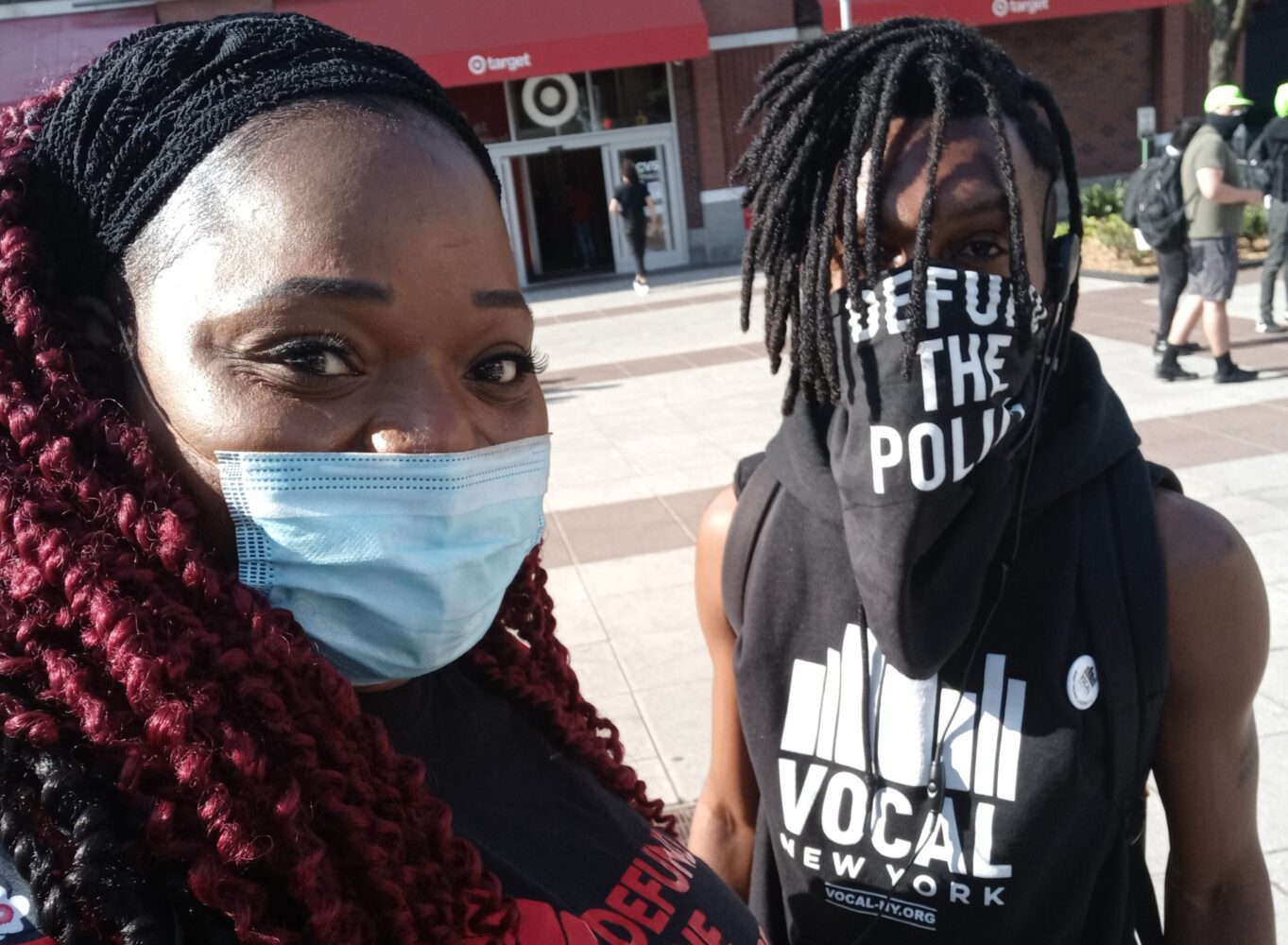
Rise Community Coordinator Halimah Washington reflects on the March to Defund the NYPD on May 25th and parents’ calls to reverse over-investment in family policing and under-investment in communities
Here, she explains how the movement to defund the police (NYPD) and the movement to abolish family policing (ACS) have shared goals—shifting funding away from systems of policing and instead investing in communities and community-led solutions.
Q. Who organized the march and what was its purpose?
A. The rally … Read More
Rise Magazine
Being scared of the child welfare system has an impact on almost everything I do. Every move I make has to be given careful thought—what doctors I go to and what I tell a doctor or therapist.
Rise Magazine
I found out about the Narcan training when I was a part of a board in my community. Someone came to a meeting and asked us if we wanted to learn how to use Narcan. I said, “Yes.” I was motivated to take the training because I knew people that use drugs and I wanted to learn how to save them in case of an overdose.
We need to take care of the people in our community — because if we don’t, who will? We have to make sure our community is safe to live in. Taking the Narcan training is one way to contribute to collective care.