
Parenting
November 18, 2020 by Rise
Developmental milestones help you know how your child is doing.
If your child is having trouble doing some of these things, you might want to contact 311 or 1-800-522-5006 for information about services to help your child. Early help makes a difference!
3 Months
At three months of age, most babies:
—turn their heads toward bright colors and lights
—move both eyes in the same direction together
—recognize bottle or breast —respond to their mother’s voice —make cooing sounds—bring … Read More
Handling Your Case
Interview with Digna Denis, parent advocate at Children’s Aid, by Rise’s Keyna Franklin
Parents have the right to choose their services. You don’t need to wait on that agency referral. You have to learn how to work the system, because the system will work you over like you don’t know what hit you.
In court or in doctor’s offices, look for flyers. In the agency, ask, ask, ask other parents. If you hear from other parents, … Read More
Handling Your Case
Be clear about your goals. That advice might sound obvious but a lot of times people go into negotiation without being clear. Your goals might be the unity of your family and well-being of your child.
Write down your goal in a sentence or two and keep it in front of you. That can become a guide to how you’re acting or reacting. Things will happen to make us upset and draw off course from our … Read More
Advocacy
November 04, 2020 by Rise
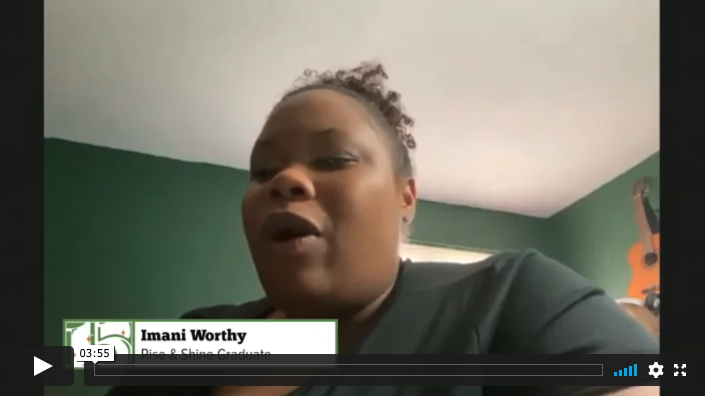
At a NYC City Council General Welfare Committee hearing on racial disparities in child welfare on Oct. 28, parents – including Rise’s Jeanette Vega and Imani Worthy – and advocates citywide testified about urgent adjustments and broad shifts to reduce the reach and harm of child welfare. Here is Imani’s testimony, and video where Imani shares her full story:
>> Read in The Imprint about this hearing
>> Read Rise’s written testimony to City Council
Rise Magazine
October 20, 2020 by Rise
As Rise continues to explore child welfare system abolition, we were thrilled to talk with leading scholar Dorothy Roberts about what abolition means to her and why she is certain abolition is necessary as we work toward a different vision for families, communities and society.
Dorothy Roberts is a professor at the University of Pennsylvania and researcher, scholar and activist. Here she discusses what she has learned from parents, plans for her next book and the importance of using terms like “family regulation system” or “family policing system” instead of “child welfare system.” She describes connections between the family policing and criminal justice systems and shares more effective, compassionate ways of addressing harm and supporting families.